

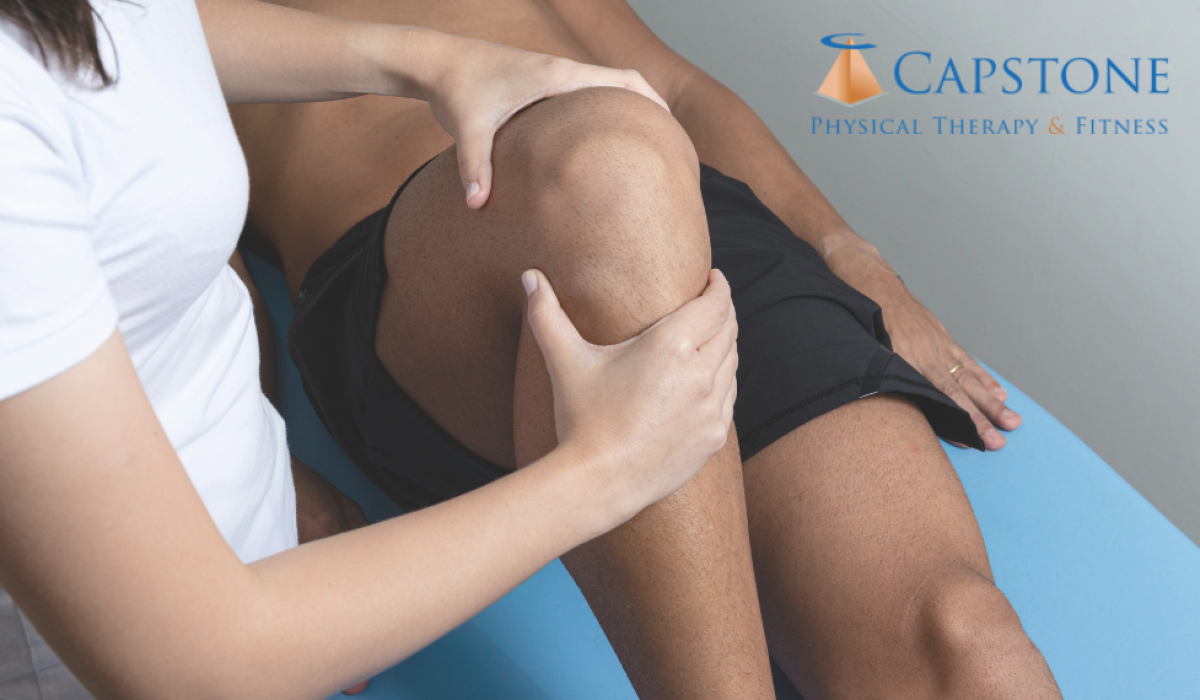
You were making real progress—faster times, better performance, finally hitting your stride. Then the injury happened. Now you’re stuck on the sidelines, watching your teammates train while you wonder if you’ll ever get back to where you were.
If you’re a Philadelphia or Bucks County athlete dealing with a sports injury, you’re facing a frustrating reality: the hardest part isn’t just healing. It’s knowing when you’re actually ready to return—and doing it without getting hurt all over again.
Maybe you’ve tried resting for a few weeks and jumping back in, only to feel that familiar twinge return. Or perhaps you’ve been cleared by a doctor but still don’t feel confident in your body. You’re not alone. Thousands of athletes across Northeast Philadelphia and Lower Bucks County face this same challenge every season.
In our 18+ years treating athletes at Capstone Physical Therapy & Fitness, we’ve learned that successful return to play requires more than just waiting for pain to disappear. This guide explains why sports injuries often recur, what actually determines readiness, and how to get back to your sport stronger than before.
What You’ll Learn
- What Makes Sports Injury Recovery Different?
- Why Athletes Keep Re-Injuring Themselves
- Signs You’re Ready to Return (And Signs You’re Not)
- The Complete Return-to-Play Process
- Why Philadelphia Athletes Choose Capstone PT & Fitness
- Frequently Asked Questions
- Next Steps
What Makes Sports Injury Recovery Different?
Sports injury recovery isn’t the same as recovering from everyday aches and pains. Athletes need their bodies to perform at high levels—sprinting, cutting, jumping, throwing—movements that place significant stress on muscles, tendons, and joints. Simply being pain-free isn’t enough.
Common sports injuries we treat in Philadelphia and Bucks County athletes include:
- ACL, MCL, and meniscus tears
- Ankle sprains and chronic ankle instability
- Hamstring and quadriceps strains
- Rotator cuff injuries
- Tennis elbow and golfer’s elbow
- Stress fractures
- Concussions
What makes these injuries particularly challenging is that pain often disappears long before the body has fully healed. An athlete might feel fine walking around or even jogging, but the moment they plant their foot to change direction or explode off the line, the weakness reveals itself—sometimes through re-injury.
Athletes from Mayfair youth leagues to Bucks County high school programs to adult recreational leagues in Somerton and Southampton all face this same reality: returning too soon almost always backfires. The re-injury rate for athletes who skip proper rehabilitation ranges from 20% to 40%, depending on the injury type.
Why Athletes Keep Re-Injuring Themselves
When patients come to our Philadelphia and Southampton locations frustrated after their second or third injury to the same area, we almost always find the same underlying issues.
Incomplete Tissue Healing
Here’s what most athletes don’t realize: feeling better and being healed are two different things. Ligaments and tendons can take 6 to 12 months to regain full strength, even though pain may subside within weeks. When athletes return based on how they feel rather than objective measures of tissue readiness, they’re essentially testing an unfinished repair job.
Muscle Weakness and Imbalances
Injuries don’t just damage the injured structure—they create compensation patterns throughout the body. A knee injury often leads to quad weakness. An ankle sprain frequently causes hip instability. These imbalances persist long after the original injury heals, setting the stage for the next problem.
At Capstone, we’ve found that athletes who previously “failed” rehab often had these compensation patterns completely missed. The injured area was treated, but the chain reaction throughout the body was ignored.
Missing Sport-Specific Training
Standard physical therapy often focuses on basic movements: walking, stair climbing, simple strengthening. But athletes don’t just walk—they sprint, pivot, jump, and collide. Without progressive sport-specific training that bridges the gap between “functional” and “game-ready,” athletes return to competition unprepared for the actual demands they’ll face.
Psychological Readiness Gaps
Fear of re-injury is real and measurable. Athletes who don’t trust their body unconsciously alter their movement patterns, which actually increases injury risk. This mental component is frequently overlooked in traditional rehab programs.
Rushing the Timeline
Whether it’s pressure from coaches, upcoming tournaments, or personal frustration, the urge to accelerate recovery is powerful. But biology doesn’t negotiate. Tissue heals on its own timeline, and pushing past that timeline is how minor injuries become chronic problems.
Signs You’re Ready to Return (And Signs You’re Not)
Determining true readiness requires objective assessment, not guesswork. Here’s what we evaluate with our Northeast Philadelphia and Bucks County athletes:
Green Light Indicators
- Full, pain-free range of motion — Equal to your uninjured side
- Strength within 90% of your other limb — Measured through standardized testing
- Successful completion of sport-specific drills — At full speed without hesitation
- Passing functional movement screens — Single-leg hops, cutting, landing mechanics
- Psychological confidence — You trust your body without second-guessing
Red Flag Warning Signs
- Pain or swelling after activity
- Noticeable weakness compared to your other side
- Compensating with altered movement patterns
- Hesitation or fear during sport-specific movements
- Inability to perform at pre-injury intensity levels
When to See a Physical Therapist
If you’ve been resting an injury for more than two weeks without improvement, or if you’ve attempted returning to activity and experienced setbacks, it’s time for professional evaluation. In Pennsylvania, Direct Access allows you to see a physical therapist without a doctor’s referral—you can start treatment immediately.
The Complete Return-to-Play Process
Successful sports injury recovery follows a progressive approach that rebuilds your body systematically. Here’s what that process looks like:
Phase 1: Protect and Heal
The initial focus is reducing pain and inflammation while protecting the injured tissue. This phase includes rest from aggravating activities, but not complete inactivity—maintaining fitness in unaffected areas prevents deconditioning.
Phase 2: Restore Foundation
Once acute symptoms settle, we rebuild basic strength, flexibility, and range of motion. Manual therapy techniques address scar tissue and joint restrictions. This phase establishes the foundation everything else builds upon.
Phase 3: Build Strength and Control
Progressive strengthening targets the injured area and the entire kinetic chain. We identify and correct the muscle imbalances that contributed to the injury. This is where most traditional rehab stops—but for athletes, it’s only the midpoint.
Phase 4: Sport-Specific Training
Now we bridge the gap to athletic performance. Drills progress from controlled to chaotic, from predictable to reactive. We simulate the actual demands of your sport at increasing intensities.
Phase 5: Return to Competition
The final phase involves monitored return to practice, then games. We provide objective benchmarks that must be met before each progression, removing guesswork from the decision.
Why Professional Guidance Matters
Athletes often ask whether they can manage this process themselves. Here’s the honest answer: you can handle some elements, but the assessment, progression decisions, and technique corrections require trained eyes. The cost of getting it wrong—re-injury, extended time away, or chronic problems—far exceeds the investment in proper rehabilitation.
At Capstone Physical Therapy & Fitness, our one-on-one treatment model means you work with the same experienced therapist every session. We’re not a PT factory juggling multiple patients simultaneously. Your therapist knows your injury history, tracks your progress, and adjusts your program based on how your body actually responds.
Why Philadelphia Athletes Choose Capstone PT & Fitness
Since 2007, Capstone Physical Therapy & Fitness has helped athletes throughout Northeast Philadelphia and Lower Bucks County return to the sports they love. Our approach is built on principles that matter for athletic recovery.
Founder Mark Donathan, PT, MS, FAFS, brings over 25 years of experience and advanced training including the McKenzie Method and Fellowship in Applied Functional Science. Our therapists hold Master’s degrees from Temple University and College Misericordia, with specialized certifications in movement analysis and manual therapy.
What patients consistently tell us makes the difference:
“After two failed attempts at other PT clinics, Capstone finally identified what was actually causing my recurring hamstring issues. I’m back playing soccer without constantly worrying about the next injury.” — Paul Ferdinand
“The one-on-one attention made all the difference. My therapist actually watched my running mechanics and found problems I never knew existed.” — Christine Hill
With three convenient locations in Philadelphia, Southampton, and Morrisville, athletes from Oxford Circle to Langhorne to Warminster can access expert care close to home. Our facilities are located within fitness centers, supporting your long-term athletic development beyond the rehab phase.
Frequently Asked Questions
How long does sports injury rehabilitation typically take? Recovery timelines vary significantly based on injury severity. Minor sprains may require 4-6 weeks, while ACL reconstructions typically need 9-12 months for full return to sport. We provide realistic timelines based on your specific injury and sport demands during your initial evaluation.
Do I need a doctor’s referral to start physical therapy in Pennsylvania? No. Pennsylvania’s Direct Access law allows you to see a physical therapist without a physician referral. This means you can begin treatment immediately rather than waiting for appointments.
Will my insurance cover sports injury rehabilitation? Most insurance plans cover physical therapy for sports injuries. We verify your coverage before your first visit and explain any out-of-pocket costs upfront.
What should I bring to my first appointment? Wear comfortable athletic clothing and bring any imaging reports (MRI, X-ray) if available. Be prepared to demonstrate the movements that cause problems.
Can physical therapy help if I’ve already had surgery? Absolutely. Post-surgical rehabilitation is essential for optimal outcomes. We work with your surgeon’s protocols while progressing you safely toward return to sport.
How is Capstone different from high-volume PT clinics? At Capstone, you receive one-on-one care with the same therapist every visit. You’re never shuffled between providers or left doing exercises while your therapist treats other patients.
What sports do you work with most often? We treat athletes from all sports, including soccer, basketball, baseball, football, running, tennis, golf, and recreational fitness. Our movement-based approach applies across athletic activities.
How do I know when I’m truly ready to return? We use objective testing—strength measurements, functional movement screens, and sport-specific performance benchmarks—to determine readiness rather than relying solely on pain levels.
Next Steps
Key Takeaways:
- Pain resolution doesn’t equal readiness to return
- Re-injury often stems from incomplete rehab and missed compensation patterns
- Sport-specific training is essential for safe return to competition
- Objective testing removes guesswork from return decisions
- One-on-one care ensures nothing gets missed
If you’re dealing with a sports injury in Northeast Philadelphia or Bucks County, don’t wait until a minor problem becomes a major setback.
Schedule Your Sports Injury Evaluation:
- Call: (215) 677-1149
- Email:mark@capstoneptfit.com
- Online:www.capstoneptfit.com
Choose Your Location:
- Philadelphia: 10980 Norcom Road, Philadelphia, PA 19154
- Southampton: 715 Cherry Lane, 1st Floor, Southampton, PA 18966
- Morrisville: 201 Woolston Drive, Suite 1A, Morrisville, PA 19067
What to Expect: Direct Access available—often no referral needed. Insurance verification before your first visit. One-on-one care with an experienced therapist who understands athletic demands.
Serving Northeast Philadelphia and Lower Bucks County Athletes Since 2007