

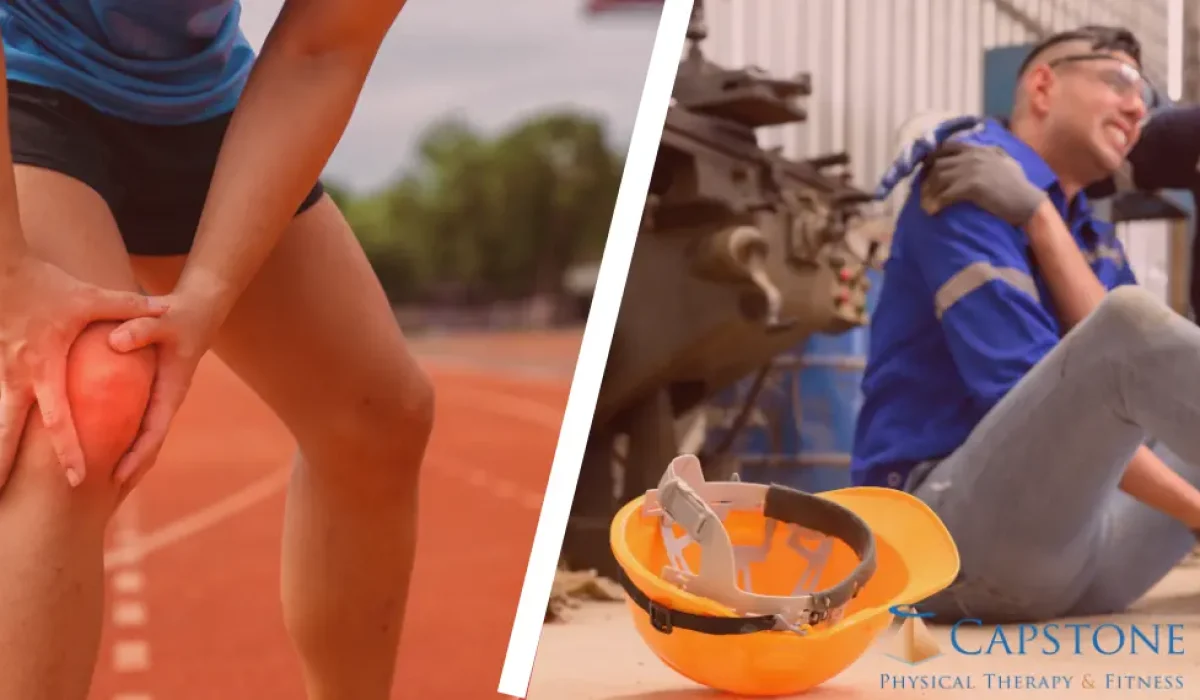
You pushed through the pain during your weekend basketball game, telling yourself it was nothing. Or maybe you felt that sharp twinge in your lower back while lifting boxes at work, hoping it would just go away. Now, weeks later, you’re still dealing with pain that’s affecting everything—your performance, your job, your ability to enjoy life.
Whether you’re an athlete sidelined by a sports injury or a worker struggling to get back on the job after a workplace accident, you know the frustration of watching your body hold you back. You’ve probably tried rest, ice, over-the-counter pain relievers, maybe even pushed through and made things worse. The uncertainty is exhausting: Will this ever fully heal? How long until I’m back to normal? What if I re-injure myself?
In our 18+ years serving Northeast Philadelphia and Bucks County, we’ve helped thousands of athletes and workers navigate exactly this situation. The good news? With the right approach, most injuries don’t have to become chronic problems that derail your career or athletic goals. Physical therapy has been shown to help 86% of patients achieve significant pain reduction and over 73% achieve functional recovery—but the key is understanding what actually drives healing and what holds it back.
This guide explains why some injuries heal quickly while others linger, what’s really happening in your body during recovery, and how professional physical therapy accelerates the process. Whether you tore your ACL training for a marathon or threw out your back on a construction site, you’ll learn what it takes to get from injury to full recovery.
What You’ll Learn
- What Injury Recovery Really Looks Like
- The Real Causes of Slow or Incomplete Recovery
- When to Seek Professional Help
- How Physical Therapy Accelerates Healing
- Why Philadelphia & Bucks County Patients Choose Capstone
- Frequently Asked Questions
- Next Steps
What Injury Recovery Really Looks Like
Injury recovery isn’t a straight line from hurt to healed. Whether you’re a Southampton soccer player dealing with a hamstring strain or a Morrisville warehouse worker recovering from a lifting injury, your body goes through distinct healing phases—and understanding them is the first step toward faster recovery.
Common Injuries Athletes Face
Athletes throughout Northeast Philadelphia and Lower Bucks County experience predictable injury patterns based on their sports. The most common include:
- Ligament sprains and tears (accounting for about 33% of sports-related orthopedic injuries), particularly ACL, MCL, and ankle ligament injuries
- Muscle strains (approximately 23% of sports injuries), including hamstring pulls, groin strains, and calf tears
- Tendon injuries like Achilles tendinitis, rotator cuff strains, and tennis elbow
- Joint dislocations affecting shoulders, fingers, and kneecaps
- Overuse injuries from repetitive training stress
The knee is the most frequently injured area (affecting about 30% of injured athletes), followed by the shoulder (23%) and ankle (20%). Weekend warriors in Feasterville-Trevose and competitive athletes in Warminster experience similar injury patterns—the difference often lies in how quickly they seek proper care.
Common Injuries Workers Face
Work injuries present their own challenges, particularly because they often develop gradually or occur in environments where you need to return quickly. The most common workplace injuries we treat include:
- Back injuries from lifting, bending, or prolonged sitting—the leading cause of workplace disability
- Repetitive strain injuries affecting wrists, elbows, and shoulders from assembly work, typing, or manual labor
- Sprains and strains from slips, trips, and falls
- Shoulder injuries from overhead work or sudden awkward movements
- Neck pain from poor ergonomics or sustained postures
Workers throughout Bensalem, Langhorne, and Bristol face pressure to return to work quickly, but rushing recovery often leads to re-injury and longer total time away from the job.
Why Recovery Matters Beyond Pain Relief
The goal of injury recovery isn’t just eliminating pain—it’s restoring full function and preventing the injury from becoming a recurring problem. Research shows that approximately 8.8% of athletes who return to sport after injury experience re-injury. That number climbs significantly higher when recovery is rushed or incomplete.
For workers, incomplete recovery means reduced productivity, chronic pain that affects quality of life, and increased risk of secondary injuries as your body compensates for weakness or limitation.
The Real Causes of Slow or Incomplete Recovery
Why do some injuries heal in weeks while others drag on for months or never fully resolve? In our experience treating athletes and workers across Philadelphia, Southampton, and Morrisville, we’ve identified five primary factors that determine recovery speed and completeness.
Cause #1: Treating the Symptom Instead of the Source
This is the most common reason recovery stalls. You feel pain in your knee, so you focus all your attention on your knee. But the source of that knee pain might actually be weak hip stabilizers, tight hamstrings, or poor ankle mobility that’s causing your knee to absorb forces it wasn’t designed to handle.
The same pattern applies to work injuries. A Levittown office worker might feel wrist pain from typing, but the real problem could be shoulder blade dysfunction that’s creating poor arm positioning. Until you address the root cause, you’re treating symptoms while the underlying problem continues.
This is exactly why we use a whole-body assessment approach at Capstone. As Brian Kirby, MSPT, FAFS, explains: “The source of pain is often different from where you feel it. My training in Functional Manual Reaction helps identify these hidden movement dysfunctions that other approaches miss.”
Cause #2: Insufficient Recovery Time and Loading
Your body heals through a predictable inflammatory process that can’t be rushed—but it can be supported or hindered by how you manage activity. Too much rest causes muscle weakness and joint stiffness. Too much activity too soon disrupts healing tissue and creates scar tissue that limits future function.
The key is progressive loading: gradually increasing stress on healing tissues to stimulate repair without overwhelming them. This requires professional guidance because the “right amount” changes daily based on your body’s response. Athletes in Richboro and workers in Penndel who try to manage this on their own often get it wrong, either re-injuring themselves or losing strength they’ll need to regain later.
Cause #3: Muscle Imbalances and Movement Dysfunction
Injuries don’t happen in isolation. They occur because something in your movement system wasn’t working properly—a tight muscle, a weak stabilizer, a faulty movement pattern. If you heal the injury without correcting these underlying problems, you’re almost guaranteed to get hurt again.
Consider a Huntingdon Valley runner with IT band syndrome. The IT band tightness is the symptom. The cause might be weak gluteal muscles that aren’t controlling hip rotation, causing the IT band to work overtime. Treating the IT band without strengthening the glutes is like putting a fresh coat of paint on a cracked foundation.
Cause #4: Fear of Movement and Re-Injury
Pain changes how you move. Even after tissues heal, your nervous system may remain on high alert, causing you to move differently to “protect” the injured area. This altered movement creates new problems: compensation patterns that overload other body parts, muscle weakness from avoiding certain motions, and decreased confidence that prevents you from returning to full activity.
Research shows that individuals with negative recovery expectations are twice as likely to experience prolonged work disability following musculoskeletal injuries. Fear of re-injury becomes a self-fulfilling prophecy that limits recovery.
Cause #5: Generic Treatment That Ignores Individual Needs
Here’s an uncomfortable truth about physical therapy: not all PT is created equal. High-volume clinics that treat multiple patients simultaneously often provide generic exercise programs that may or may not address your specific problems. You might do the same exercises as everyone else with “knee pain,” regardless of whether your knee pain stems from ligament damage, muscle weakness, or movement dysfunction.
This is what we call the “PT factory” model, and it’s why many people say physical therapy didn’t work for them. The treatment wasn’t wrong—it just wasn’t right for their specific situation.
When to Seek Professional Help
Not every injury requires professional intervention. Minor muscle soreness after a tough workout or a mild strain from yard work often resolves with basic self-care. But certain warning signs indicate you need expert evaluation and treatment.
Signs Your Injury Needs Professional Attention
Seek physical therapy evaluation if you experience:
- Pain that persists beyond 2-3 weeks despite rest and self-care measures
- Swelling that doesn’t improve or returns after activity
- Instability or giving way in joints during normal activities
- Significant weakness that affects your ability to perform normal tasks
- Numbness, tingling, or radiating pain suggesting nerve involvement
- Popping, clicking, or locking in joints
- Pain that wakes you at night or prevents restful sleep
- Inability to bear weight or perform job duties
- Previous injury to the same area that didn’t fully resolve
- Pain that’s affecting your work, sport, or daily activities
Red Flags Requiring Immediate Medical Attention
Some symptoms require urgent medical evaluation before physical therapy:
- Severe, sudden onset pain after trauma
- Visible deformity or obvious fracture
- Complete inability to move a joint
- Signs of infection (fever, redness, warmth spreading from injury site)
- Loss of bowel or bladder control with back injury
- Progressive numbness or weakness
The Advantage of Early Intervention
Research consistently shows that early physical therapy intervention leads to better outcomes. Studies demonstrate that early contact with rehabilitation providers—within the first six weeks following injury—is associated with positive return-to-work outcomes for musculoskeletal conditions.
In Pennsylvania, you don’t need a doctor’s referral to start physical therapy. Direct Access laws allow you to see a certified physical therapist immediately, which means you can begin treatment the same day you’re injured rather than waiting weeks for a doctor’s appointment. At Capstone, our therapists hold Direct Access certification, so you can get evaluated and start treatment without delay.
How Physical Therapy Accelerates Healing
Physical therapy isn’t just exercises and stretches. It’s a comprehensive approach that addresses every factor affecting your recovery—and the research proves it works. Studies show that 86% of patients report significant pain reduction with physical therapy, 80% achieve improved range of motion, and nearly 64% of athletes successfully return to their sports.
The Capstone Approach to Injury Recovery
At Capstone Physical Therapy & Fitness, we’ve developed a systematic approach to accelerating recovery based on our 18+ years serving Philadelphia and Bucks County patients.
Comprehensive Assessment
Every recovery program starts with understanding exactly what’s wrong and why. This goes beyond examining where it hurts—we evaluate your entire movement system to identify the root cause. Mark Donathan, PT, MS, founder of Capstone, explains: “In our experience treating thousands of patients, we’ve found that focusing only on the painful area often misses the real problem. That’s why we assess the whole body, looking for the movement dysfunction that led to injury in the first place.”
For athletes, this includes sport-specific movement analysis. For workers, it means understanding the physical demands of your job so we can prepare you to return safely.
Manual Therapy
Hands-on treatment techniques reduce pain, improve joint mobility, and accelerate tissue healing. These include joint mobilization, soft tissue work, and myofascial release—techniques that require extensive training and cannot be replicated by generic exercise programs alone.
At Capstone, you receive manual therapy as part of every session from your dedicated therapist. This is a key differentiator from high-volume clinics where you might see a therapist for 10-15 minutes before being handed off to an aide for exercises.
Progressive Therapeutic Exercise
The right exercises, progressed at the right pace, rebuild strength without re-injury. We design individualized programs based on your specific deficits and goals. A Yardley tennis player recovering from rotator cuff tendinitis needs different exercises than a Bristol construction worker with the same diagnosis.
Functional Training for Return to Activity
The final phase of recovery involves practicing the actual movements you need to perform—whether that’s sprinting, lifting, throwing, or the specific physical demands of your job. This functional training bridges the gap between “feeling better” and “being ready.”
As one Capstone patient, Brian, described his experience: “Mark and Capstone were an absolute game-changer for me… from a nagging knee injury sustained during last year’s NYC marathon to achieving a sub-4 hour marathon milestone in Berlin this year.”
Why One-on-One Care Makes the Difference
Research shows physical therapy effectiveness depends heavily on the quality and individualization of care. At Capstone, you work with the same therapist throughout your treatment—someone who knows your history, understands your goals, and can detect subtle changes in your progress.
Paul Ferdinand, a Capstone patient, put it simply: “After a disappointing experience at another provider, we found Capstone. We are so glad we did. Personalized care—not a rushed physical therapy factory.”
Why Philadelphia & Bucks County Patients Choose Capstone
Since 2007, Capstone Physical Therapy & Fitness has helped athletes and workers throughout Northeast Philadelphia and Lower Bucks County recover from injuries and return to the activities they love. Our approach combines clinical expertise with genuine commitment to personalized care.
Our Credentials
Our therapists bring advanced training to every patient interaction:
- Mark Donathan, PT, MS — Founder, Temple University graduate (1999), 26+ years of clinical experience specializing in orthopedic and neurological rehabilitation
- Brian Kirby, MSPT, FAFS, FMR Certified — College Misericordia graduate, completed post-graduate training at the Gray Institute earning Fellowship of Applied Functional Science and Functional Manual Reaction certification
This expertise allows us to identify problems other clinics miss and deliver treatments that produce lasting results.
Our Philosophy: Not a PT Factory
High-volume PT clinics prioritize billing over outcomes. Therapists juggle three or four patients at once. You might see a different provider every visit. Treatment consists of generic exercise programs applied to everyone with similar symptoms.
At Capstone, we do things differently:
- One-on-one care — You receive your therapist’s full attention throughout every session
- Same therapist every visit — Continuity of care means your therapist knows your history and can track subtle progress
- Whole-body assessment — We find root causes, not just treat symptoms
- Located in fitness facilities — Supporting your long-term wellness beyond PT completion
What Our Patients Say
Our approach produces results that patients notice:
- Christine Hill: “I went to Capstone after having knee replacement surgery… very professional and knowledgeable”
- Lori Mu (71 years old): “I’m an active 71 y.o. who likes to move, and with Mark’s help, I intend to keep on moving!”
- Mary Anne Wylie: “Like having a personal therapist”
- Kim Romani: “Simply the best Physical Therapy you’ll ever receive”
Three Convenient Locations
We serve communities throughout Northeast Philadelphia and Lower Bucks County from three locations:
- Philadelphia: 10980 Norcom Road, Philadelphia, PA 19154 — Serving Bensalem, Feasterville, Somerton, Bustleton, Fox Chase, and surrounding neighborhoods
- Southampton: 715 Cherry Lane, 1st Floor, Southampton, PA 18966 — Serving Southampton, Richboro, Warminster, Hatboro, Willow Grove, and nearby communities
- Morrisville: 201 Woolston Drive, Suite 1A, Morrisville, PA 19067 — Serving Morrisville, Yardley, Levittown, Langhorne, and extending into nearby New Jersey communities
Frequently Asked Questions
Do I need a doctor’s referral for physical therapy in Pennsylvania?
No. Pennsylvania has Direct Access laws allowing you to see a physical therapist without a physician referral for up to 30 days. All Capstone therapists hold Direct Access certification, meaning you can schedule your evaluation today and often receive your first treatment the same day—no waiting for doctor’s appointments or referral paperwork. This is particularly valuable for athletes and workers who need to start recovery quickly.
How long will it take to recover from my injury?
Recovery timelines vary based on injury severity, your overall health, and how consistently you participate in treatment. During your initial evaluation, your therapist will provide an estimated timeline based on your specific situation. Many patients see significant improvement within 4-8 weeks, though complex injuries may require longer treatment. We adjust your plan as you progress to ensure you recover as quickly as possible without rushing and risking re-injury.
Will physical therapy be painful?
Physical therapy should not be excessively painful. While some discomfort during treatment or therapeutic exercise is normal—particularly when working on mobility or strengthening weakened muscles—your therapist constantly monitors your response and adjusts accordingly. The goal is healing, not suffering. If something hurts, tell your therapist immediately so they can modify the approach.
What should I expect during my first visit to Capstone?
Your first visit includes a comprehensive evaluation lasting 45-60 minutes. Your therapist will review your injury history, assess your movement and strength, identify the root cause of your problem, and develop a personalized treatment plan. Many patients receive their first treatment on the same day. You’ll leave knowing exactly what’s wrong, what we’re going to do about it, and how long recovery should take.
Does Capstone accept my insurance?
Capstone accepts most major insurance plans and will verify your coverage before your first visit so you know exactly what to expect. We also work with workers’ compensation cases for job-related injuries. Contact us at (215) 677-1149 with specific insurance questions—our team will help you understand your benefits and any out-of-pocket costs.
Can physical therapy help if I’ve tried it before and it didn’t work?
Yes. Many Capstone patients come to us after disappointing experiences at other clinics. Previous physical therapy often fails due to generic exercise programs not tailored to individual problems, lack of manual therapy, insufficient one-on-one time with therapists, or failure to identify the true root cause. Our whole-body assessment approach and individualized treatment plans address these gaps. If your previous PT felt like an assembly line, you’ll notice an immediate difference at Capstone.
What makes Capstone different from other physical therapy clinics?
Capstone provides genuine one-on-one care with the same therapist throughout your treatment—you’re never shuffled between providers or treated in groups. We focus on finding root causes through whole-body assessment rather than just treating symptoms. Our therapists hold advanced certifications including Fellowship of Applied Functional Science and Functional Manual Reaction, bringing expertise that high-volume clinics can’t match. And we’re located in fitness facilities, supporting your long-term wellness beyond PT completion.
How many physical therapy sessions will I need?
The number of sessions depends on your specific injury, goals, and how your body responds to treatment. Simple sprains might resolve in 6-8 visits, while post-surgical rehabilitation or chronic conditions may require 12 weeks or longer. We focus on achieving lasting results, not maximizing visits. Your therapist will provide an estimated timeline during your evaluation and adjust as you progress.
When can I return to my sport or job after injury?
Return-to-activity timing depends on meeting specific functional milestones, not just feeling better. For athletes, this includes sport-specific testing to ensure you can perform required movements safely. For workers, we assess your ability to handle the physical demands of your job. Returning too early significantly increases re-injury risk—research shows nearly 9% of athletes experience re-injury, and that number rises with premature return. We’ll clear you when you’re truly ready.
What is Direct Access physical therapy?
Direct Access means you can see a physical therapist without a referral from a doctor. Pennsylvania law allows certified physical therapists to evaluate and treat patients directly for up to 30 days. This eliminates delays in starting treatment, saves you the cost of a doctor’s visit just to get a referral, and puts you in control of your healthcare. All Capstone therapists maintain Direct Access certification.
Next Steps
If you’re dealing with a sports injury or work-related pain in Northeast Philadelphia or Bucks County, don’t wait for the problem to get worse. Early intervention leads to faster recovery, better outcomes, and lower risk of chronic problems. The sooner you address the root cause, the sooner you’ll get back to the activities you love.
Key Takeaways:
- Recovery success depends on identifying and treating root causes, not just symptoms
- Early physical therapy intervention produces significantly better outcomes
- Generic, high-volume PT often fails because it doesn’t address individual problems
- Pennsylvania’s Direct Access laws let you start treatment today without a referral
- One-on-one care with the same therapist throughout treatment accelerates healing
Schedule Your Evaluation:
- Call: (215) 677-1149
- Email: mark@capstoneptfit.com
- Online: www.capstoneptfit.com/contact-us
Choose Your Location:
- Philadelphia: 10980 Norcom Road, Philadelphia, PA 19154
- Southampton: 715 Cherry Lane, 1st Floor, Southampton, PA 18966
- Morrisville: 201 Woolston Drive, Suite 1A, Morrisville, PA 19067
What to Expect:
- Direct Access — no referral needed in Pennsylvania
- Insurance verification before your first visit
- One-on-one care with an experienced therapist
- Same therapist throughout your treatment
- Located in fitness facilities for long-term wellness
Serving Northeast Philadelphia and Lower Bucks County Since 2007